


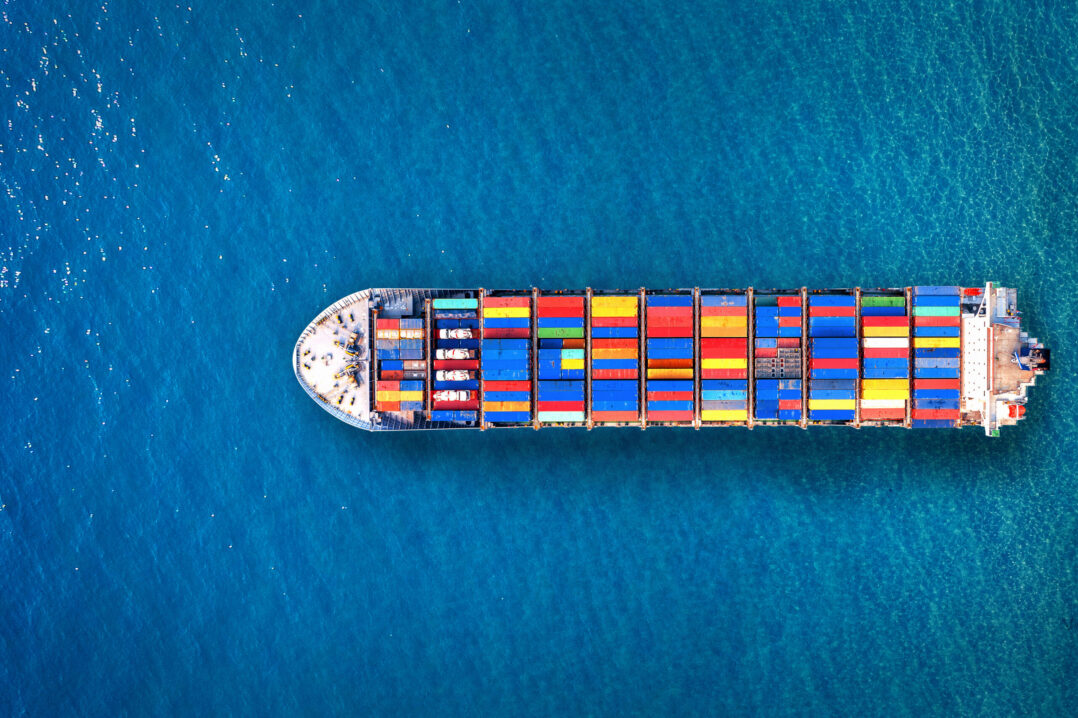
Discover the 5 trends shaping maritime transport in 2025. From decarbonization and green fuels to digitalization and geopolitical impacts on trade routes. Get ready for the future of logistics!
Maritime shipping is the backbone of international trade, moving over 80% of global goods. Yet, far from being a static industry, it is undergoing a revolution driven by technology and climate urgency. Here are the 5 key maritime shipping trends every business must know to navigate the future successfully.
Navigating the Future: The 5 Trends Transforming Maritime Transport in 2025
The year 2025 is shaping up to be one of profound transformation for the maritime transport sector. The convergence of new environmental regulations, technological advancements, and a dynamic geopolitical landscape is redrawing the map of global logistics. For shippers, importers, and exporters, understanding these waves of change isn’t an option—it’s a necessity to remain competitive. Below, we explore the five most influential trends.
1. Sustainability Is No Longer an Option, It’s an Obligation
The pressure for decarbonization is stronger than ever. Driven by the goals of the International Maritime Organization (IMO), the industry is accelerating its transition to a greener future.
- Fuels of the Future: We will see greater adoption of alternative fuels such as Liquefied Natural Gas (LNG), green methanol, and even ammonia. Low-emission vessels are moving beyond the prototype stage to become a reality in major fleets.
- Energy Efficiency: AI-powered route optimization, the use of advanced hull coatings, and wind-assisted propulsion are measures that will gain even more traction to comply with the demanding Energy Efficiency Design Index (EEDI) requirements.
2. Digitalization and Automation: The Brain of the Supply Chain
Logistics in 2025 is either smart or it’s obsolete. Digitalization has evolved from a competitive advantage to an industry standard.
- Real-Time Traceability: The use of the Internet of Things (IoT) and blockchain is solidifying to offer unprecedented cargo visibility, reducing uncertainty and enhancing security.
- Smart Ports: Automation in terminal management and the digitalization of customs processes will drastically speed up waiting times, reducing the bottlenecks that have plagued the sector in previous years.
3. Reshuffling of Alliances and Trade Routes
The map of major shipping alliances has changed. Since the beginning of 2025, we have been operating under new structures that redefine supply and capacity on major routes.
- New Consortia: Alliances like the Ocean Alliance maintain their dominance, while other carriers like MSC are opting to operate independently, creating a new balance of power.
- Alternative Routes: Instability in key chokepoints like the Red Sea and drought-related restrictions in the Panama Canal have made routes like the Cape of Good Hope viable, albeit longer and more expensive, alternatives. Flexibility in route planning will be crucial.
4. Freight Volatility and Capacity Management
The freight market continues to lack a clear trend. Overcapacity on some routes contrasts with shortages on others, a result of blank sailings and fluctuating global demand. In 2025, the key will be agility in negotiating and securing space.
5. Resilience and Nearshoring
The pandemic and subsequent geopolitical disruptions taught a valuable lesson: resilience is vital. Companies will continue to diversify their suppliers and shorten their supply chains through nearshoring, which will keep modifying traditional trade flows.
The year 2025 demands proactive and adaptable logistics. Those who manage to navigate these trends with strategic vision will not only survive but will find new opportunities for growth.

